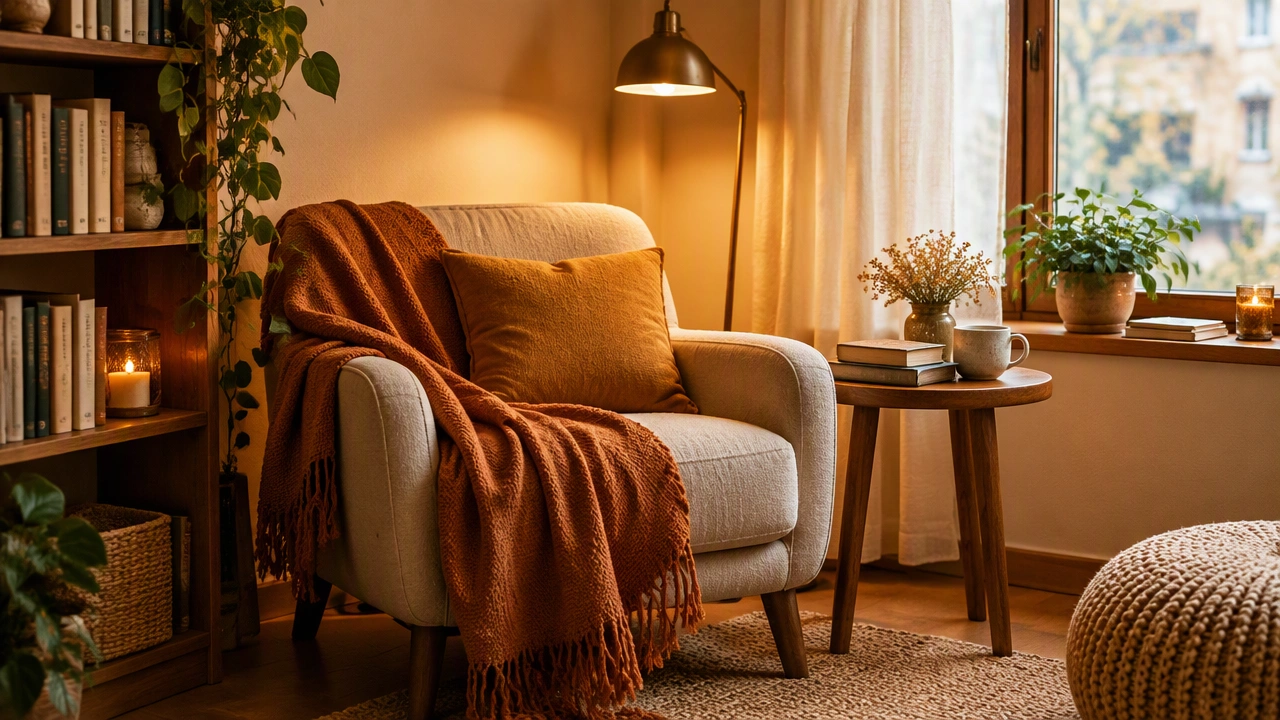
How to Design a Small Reading Corner That Becomes Your Daily Refuge from Noise
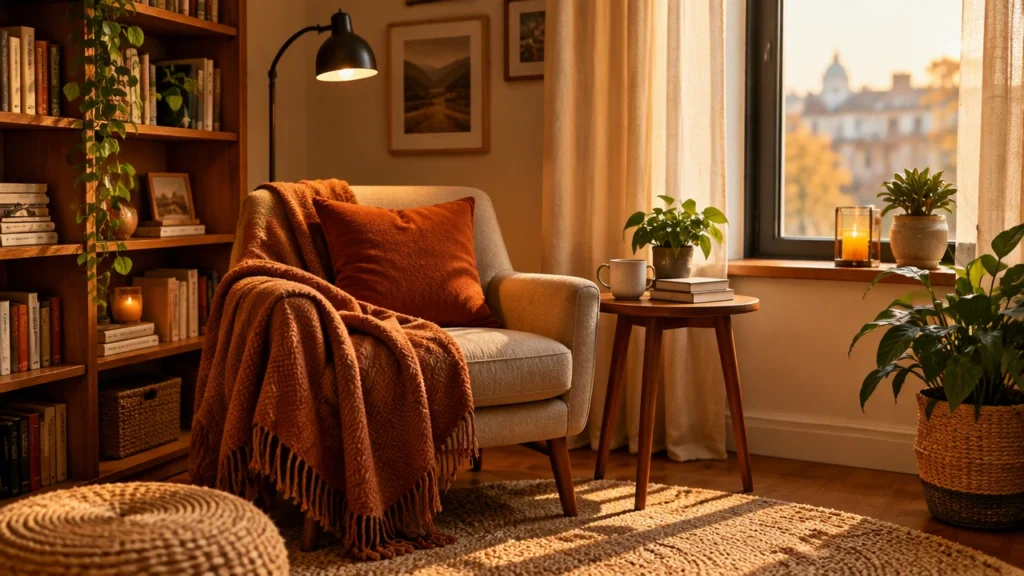
A small reading corner can become a calm daily practice when it is designed around one clear purpose: helping you settle quickly and read without friction. The goal is not to build a perfect room or buy more things. It is to shape a corner that lowers visual noise, softens sound, supports your body, and makes starting feel easy. If you have been wondering how to create a quiet reading nook at home, begin with the space you already have and refine it one decision at a time.
Choose a corner that supports quiet
Start by observing your home at the times you are most likely to read. Notice where footsteps pass, where conversations gather, where screens glow, and where daylight changes throughout the day. A refuge does not need to be isolated; it needs a predictable sense of separation.
Look for a low-traffic edge of a bedroom, a spot beside a window, a wide hallway alcove, or a quiet end of the living room. If possible, avoid facing a television, a doorway, or a busy street view. A wall at your back can feel protective, while a window to the side can offer natural light without placing the sun directly in your eyes.
Define the boundary gently. A small rug, a slim bookcase, a floor screen, or even the back of a sofa can signal that this area is different from the rest of the room. The boundary should not close you off completely. It should give your attention a clear place to land.
Shape sound before buying anything
Noise is often the biggest obstacle to reading, but silence is not always the answer. Complete silence can make every small sound feel sharper. A steady, soft background sound can mask unpredictable noises such as traffic, appliances, or voices in another room.
Try these simple adjustments first:
- Close doors and windows during the noisiest parts of the day.
- Move away from hard, reflective surfaces when you can, since sound bounces more easily off bare walls and floors.
- Add one absorptive layer such as a rug, curtain, upholstered chair, or folded blanket to soften echoes.
- Keep devices on silent and place your phone out of arm’s reach.
- Use steady background sound such as a fan or soft instrumental audio if your neighborhood is unpredictable.
Do not turn the nook into a complicated sound system. The aim is to reduce sudden interruptions so your attention can stay with the page.
Design light for comfort, not display
Good reading light should make the words clear without creating glare. Natural light is pleasant, but direct sun can cause contrast that tires the eyes. Place your chair so light falls across the page rather than straight into it. Sheer curtains can soften brightness while preserving a connection to the day outside.
For evening reading, choose a lamp with a warm, steady light and a shade that directs illumination downward. The light should reach the page evenly and stay out of your line of sight. A clip-on lamp, a small table lamp, or a slim floor lamp can all work if it sits close enough to the book.
Keep the controls easy to reach. Fumbling for a switch breaks the feeling of refuge. If the lamp is too bright or too dim, adjust its position before adding more lighting.
Make comfort simple and supportive
A reading chair does not need to be luxurious; it needs to support the way you actually read. Sit for several minutes and notice your neck, lower back, shoulders, and legs. Your hips should be slightly higher than your knees, your feet should have somewhere to rest, and your elbows should not feel stranded.
Add support only where you feel a gap. A cushion can raise your seat, a small pillow can support the lower back, and a footstool can reduce pressure on your legs. Keep a blanket nearby for cooler evenings, but avoid building a setup so cozy that it becomes difficult to leave.
Give yourself a surface for the essentials: a book, a bookmark, water, and perhaps a pencil for a note. A stool, a small side table, or a sturdy stack of books can serve. Keep the surface deliberately sparse so it does not become a landing place for mail, keys, or work.
Reduce visual noise around the page
Your eyes take in the whole corner before they settle on the text. Clutter, bright packaging, tangled cables, and many competing objects can keep your attention slightly activated. A calm nook does not need to be empty, but it benefits from a limited visual field.
Choose a restrained color palette and keep only a few meaningful objects in view. A small plant, one photograph, or a favorite ceramic piece can give the corner personality without pulling focus. Store the rest out of sight.
Arrange books so the next choice is easy. A short stack of current reads on a small shelf or basket reduces the effort of starting. If your collection is large, keep most books elsewhere and rotate only a few into the nook.
Create a ritual that makes starting easy
The strongest reading corner supports a repeatable sequence. When the same small steps happen each day, your mind learns what comes next. Keep the ritual short enough to survive a busy schedule.
A simple version might be:
- Prepare the space: lower the lamp, set out your book, and silence nearby devices.
- Set a modest time: choose ten or fifteen minutes rather than an ambitious hour.
- Read one section: follow a chapter marker, a set of pages, or a natural stopping point.
- Close with intention: place the bookmark, take one slow breath, and leave the book ready for tomorrow.
Consistency matters more than duration. A short reading period you repeat will shape a calmer habit more effectively than an occasional marathon session.
Keep the refuge flexible
Review the corner after a week or two. Notice what helps you settle and what still distracts you. Move the lamp, change the chair angle, remove one object, or adjust the boundary. Small changes are often enough.
Seasons and schedules change too. In brighter months, you may need more shade. In darker months, you may need a warmer light layer or an extra blanket. If the nook shares space with others, communicate the quiet time clearly and choose hours that are realistic for everyone.
The purpose of this space is not perfect stillness. It is to give your day one dependable place where noise recedes, attention softens, and a few pages become enough. Design the corner gently, keep it simple, and let the habit grow from the comfort you create.